

A proposed carpet protector deserves a separate decision from the cleaning itself. Identify the exact additional treatment, establish that it suits the carpet and understand what accepting it adds to the work. You can agree to appropriate cleaning while declining an optional product whose purpose or suitability has not been explained.
Ask which part of the proposal is optional
A household may hear “clean and protect” as one description of carpet maintenance. It can instead represent two different tasks: an agreed cleaning process and a proposed surface treatment afterward. Ask for them to be distinguished in the proposal. This makes it possible to evaluate the added treatment without reopening every detail of the original job.
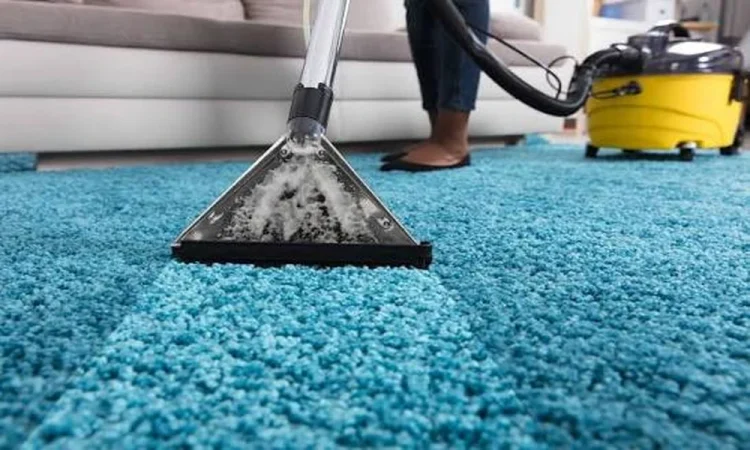
Equipment research can create another source of confusion. Looking at a Markham carpet-extractor hire concerns access to equipment; accepting a carpet-protection treatment concerns an additional application to a material. Write those as separate items in your plan. Do not assume a rented water extractor includes a cleaning service, a protective product or someone who will apply it.
Ask what protection means in the particular proposal. Is someone referring to a feature already incorporated into the carpet, or recommending a product to be applied now? Those are different descriptions. A familiar brand word in a sales conversation may leave the distinction hidden unless the product and task are named.
Also identify who is recommending the treatment and who would perform it. A rental provider’s explanation of its machine, a carpet manufacturer’s care guidance and a cleaner’s optional service each answer a different purchasing question. The recommendation should be understandable in its own terms, with a clear product identity rather than a general promise that the floor will be better protected.
The treatment has its own material boundaries
The approval of a cleaning method does not settle whether an additional product belongs on the carpet. Obtain the carpet maker’s relevant guidance and the exact treatment’s current label. An optional application should have its own basis for compatibility. Do not assume that a clean surface is automatically a suitable surface for anything sold as a protector.
A product-specific example appears in 3M’s US guidance for Scotchgard Rug & Carpet Protector. It does not recommend that named product for Oriental rugs or white wool, and it includes directions concerning surrounding materials and keeping traffic off during drying. These are examples of boundaries that accompany a particular product, not application instructions for a Canadian purchase.
Read the packaging and documentation for the product actually proposed in your market. Similar branding can cover different uses. A webpage for another formulation or country should not be substituted for the directions on the supplied product. If the proposed treatment cannot be identified clearly enough to locate its applicable instructions, there is not yet enough information to accept it confidently.
Compatibility also involves the carpet’s existing finish and care requirements. Tell the person advising what is known about previous treatments and what remains unknown. There is no benefit in presenting an uncertain history as a clean slate. Let the manufacturer or suitable carpet-care professional resolve whether the proposed additional application belongs in the plan.
A small compatibility check, where the relevant instructions call for one, answers only its defined question. It should not be treated as permission to ignore a stated exclusion or as a guarantee for the entire floor. Ask the person performing the work how the applicable requirements will be followed, rather than requesting an informal demonstration to override them.
An add-on changes more than the invoice line
The extra charge is one part of the choice. There may also be another application stage, further restrictions on use and additional directions to retain. Ask how accepting the treatment changes the actual job. A household deciding solely from a small price difference can overlook the practical consequences that matter more that day.
For example, a family may have arranged for one room to remain unused during cleaning. If the optional treatment introduces its own requirements before traffic returns, those need to fit the household’s arrangement too. Obtain product-specific guidance rather than assuming that the original cleaning schedule covers every subsequent application.
Ask whether surrounding finishes or furnishings require attention under the proposed process. This is a question for the person planning or performing the application, not a suggestion to cover the room with improvised materials. The optional treatment should arrive with a workable method suited to the actual setting. A vague assurance that it only takes a moment leaves that part of the purchase undefined.
Keep any maintenance advice associated with the treatment. An accepted application may come with instructions that matter at the next cleaning. Ask what information the household should retain, including the product identity and the areas treated. This is more useful than an invoice carrying only a broad word such as protection.
Be clear about partial scope. If only one room is to receive the product, the record should not describe every carpet in the home as treated. Likewise, an untreated area should not quietly be included when a later person discusses what maintenance it needs. The distinction can remain simple without turning an ordinary optional purchase into an elaborate file.
Choose the additional treatment on its own merits
Bring the discussion back to the reason it is being proposed for this carpet. What particular need does it address, and what does the applicable product information actually claim? A general preference for looking after the home is not, by itself, an explanation for this specific additional purchase.
Do not accept an absolute promise that a topical treatment will prevent every future stain or eliminate routine care. Ask for the supported product claim and its limitations in ordinary language. The person recommending the work should be able to distinguish an intended benefit from a guarantee they are not entitled to make.
You can also postpone the choice if the relevant information is missing. That does not mean accepting a product later without checking how timing affects its permitted use. It means declining to add an uncertain task to today’s arrangement. Any later proposal still needs to stand on its own compatibility and application requirements.
A clean-only decision can be complete. If an optional protector earns a place through clear purpose, suitable materials and a workable process, it can be considered as the separate purchase it is. If those points remain unresolved, leave the extra line off rather than allowing the word protection to make the decision for you.