

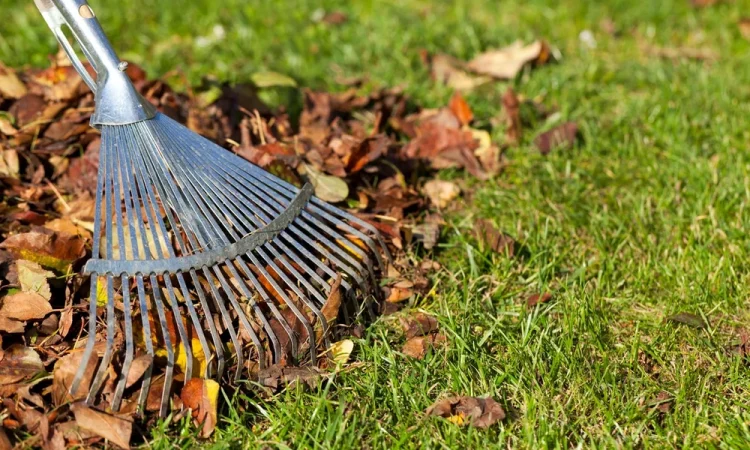
Every autumn, I see homeowners doing exactly what they should be doing. Clearing leaves, cutting back shrubs, tidying borders and getting the garden ready for winter. The trouble is that some of these perfectly sensible jobs can cause problems for the fence. I have seen timber panels rot behind neatly stacked logs, posts weaken beneath piles of wet leaves and otherwise sound boundaries damaged by enthusiastic pressure washing. It is one reason I always encourage people to think about garden fencing in York as part of their seasonal garden maintenance rather than something to ignore until a panel falls over.
Most of the damage is unintentional. Nobody stacks firewood against a fence expecting it to cause rot. Nobody clears a flower bed thinking they might weaken a fence post. Yet small changes around the base of a fence can have consequences that take months, sometimes years, to become obvious.
Winter makes these problems worse because timber stays damp for longer. The ground is wetter, daylight is limited and the sun rarely reaches every corner of the garden. In sheltered spaces, particularly behind sheds and mature shrubs, moisture can remain trapped for weeks.
A little care during autumn can prevent a surprising amount of trouble. The important thing is knowing which common garden jobs deserve a second thought.
Stacking Firewood Against a Fence Is Asking for Trouble
Wood-burning stoves remain popular in older properties, and plenty of homeowners store logs in their gardens. A fence seems like a convenient place to stack them. It provides a straight edge, keeps the logs out of the way and makes an otherwise unused strip of garden useful.
Unfortunately, it is not a particularly good idea.
Firewood holds moisture, especially when stored outside. Even seasoned logs can become damp during prolonged wet weather. Stack them directly against timber fencing and you restrict airflow around the boards.
The fence then struggles to dry.
I have removed panels where the timber behind a log pile was noticeably softer than the surrounding boards. The rest of the fence looked reasonably healthy, but the section hidden behind the wood had been exposed to constant damp.
There is also the weight to consider. A substantial log pile can put pressure on fence panels, particularly if the logs are stacked unevenly or gradually settle against the boards.
Fence panels are designed to withstand normal environmental loads, not support several hundred kilograms of firewood.
If you need outdoor log storage, use a proper rack or store with a raised base and good ventilation. Leave a gap between the logs and the fence so air can circulate.
A few inches of clearance is better than none, although more space makes inspection and maintenance easier.
Wet Leaves Can Cause More Damage Than People Expect
Fallen leaves are part of autumn gardening. York has plenty of mature trees, and gardens around Bootham, Clifton and older residential streets can collect enormous quantities of leaves during October and November.
The problem is not the leaves themselves. It is what happens when they remain piled against timber for months.
Wet leaves break down into a dense, damp layer. Against a fence, that layer traps moisture around gravel boards, lower rails and the base of posts.
Timber that might otherwise dry between periods of rain stays wet.
Over time, this can encourage decay, especially where protective treatment has worn away or timber has already begun to deteriorate.
I pay particular attention to the bottom of fences during autumn inspections. It is common to find leaves packed tightly behind shrubs or along narrow strips that rarely get cleared.
Sometimes the homeowner has kept the main lawn immaculate while the boundary has quietly collected years of debris.
Clearing leaves away from the base of the fence is a simple job. You do not need to remove every leaf from the garden, and leaf litter can be useful for wildlife and soil health. Just avoid allowing thick, wet piles to remain pressed against vulnerable timber.
A small gap around posts and gravel boards helps keep the structure visible and allows it to dry.
Cutting Back Ivy Can Reveal Problems You Did Not Know Existed
Ivy is one of those plants that divides opinion.
Some people love it. Others cannot stand it.
From a fencing point of view, my concern is usually the weight and the amount of moisture it can retain.
A mature ivy plant can cover several fence panels, making it difficult to inspect the timber underneath. The stems become woody, and the plant can grow through gaps between boards and around rails.
Over time, the additional weight and wind resistance can put considerable strain on an ageing fence.
I have seen fences where ivy was doing almost as much work holding the structure together as the original fixings. Once the plant was removed, the extent of the damage became obvious.
That does not mean ivy always destroys fencing. A healthy, well-maintained fence can support modest climbing growth without immediate problems. The risk increases when plants become heavy, neglected or deeply intertwined with the structure.
If you are cutting back established ivy, take care.
Pulling large sections away from weak timber can dislodge boards or damage fixings. It is usually better to cut the growth into manageable sections and remove it gradually.
If the fence is already leaning, do not start tugging at heavy stems without checking its condition.
Sometimes the safest approach is to deal with the fencing and vegetation together.
Pressure Washing Can Strip Away More Than Dirt
Pressure washers are useful tools, but I have seen some unfortunate results when they are used on timber fencing.
The temptation is understandable. A fence has turned green with algae, so the homeowner reaches for the pressure washer and gives it a thorough clean.
The trouble is that timber is not concrete.
A powerful jet held too close can damage the surface fibres, leaving the wood rough and uneven. On older boards, it can lift splinters and expose softer timber beneath the weathered surface.
It may also remove existing coatings.
I have seen panels left with a furry texture after aggressive washing. They looked cleaner initially, but the surface had been damaged.
If you need to clean timber fencing, start with a soft brush and a suitable cleaning product. For light algae, gentle cleaning is often enough.
Where pressure washing is appropriate, use a low setting, a suitable nozzle and plenty of distance. Test a small area first and follow the timber manufacturer’s guidance.
Avoid forcing water into joints, cracks and fixing points.
Autumn is not always the best time for heavy washing either. Timber needs suitable drying conditions before protective treatments are applied.
Cleaning a fence thoroughly in cold, damp weather and immediately coating it with a product that requires dry timber can create further problems.
Raising Flower Beds Can Shorten a Fence’s Life
This is one of the most common mistakes I encounter.
A homeowner decides to improve a border by adding compost, topsoil or mulch. Over several years, the soil level gradually rises.
Eventually, the bottom of the fence becomes buried.
It happens slowly enough that nobody notices.
Timber gravel boards are particularly vulnerable because they sit close to the ground. Their purpose is to protect the main fence panels, but they are not intended to remain permanently buried beneath wet soil.
The situation becomes worse when soil is piled directly against feather edge boards or the bottom rails of a panel.
The timber stays damp and decay becomes more likely.
I have visited gardens where the soil level was several inches higher than when the fence was installed. The homeowner had simply added fresh compost every year without removing or redistributing the old material.
The garden looked well cared for. The fence was suffering.
Keep soil and mulch below the level of vulnerable timber wherever possible. If you are building raised beds, construct them independently rather than relying on the fence to hold back the soil.
A fence is not a retaining wall.
That distinction becomes particularly important in York gardens with heavy, moisture-retaining ground.
Winter Pruning Can Change How Wind Reaches Your Fence
This is a less obvious problem.
Large shrubs and hedges can provide some shelter from wind. Remove them suddenly and a previously protected fence may become exposed.
I have seen this happen after homeowners cut back mature conifers or remove dense boundary planting.
The fence had spent years sitting behind a thick hedge. Once the hedge disappeared, strong winds could reach the panels directly.
That does not mean you should keep overgrown shrubs simply to protect fencing. Dense vegetation can cause its own problems, including trapped moisture, physical pressure and damage from roots.
The point is that changing the planting can change the conditions around the fence.
If you are removing a substantial hedge beside an older boundary, inspect the posts first.
A fence that has survived for twenty years in a sheltered position may not be suitable for the same level of exposure once the vegetation is gone.
For particularly exposed gardens, a different fencing design may be worth considering. Hit and miss fencing, for example, can allow some airflow while still providing a useful boundary.
The correct choice depends on the garden and the level of privacy required.
Garden Waste Should Never Be Stored Against Timber Panels
Autumn produces plenty of garden waste.
Branches, grass cuttings, hedge trimmings and old plants all need somewhere to go before collection or disposal.
The back fence often becomes the temporary storage area.
Unfortunately, temporary piles have a habit of staying there until spring.
Grass cuttings are particularly unpleasant when left in a heap. They hold moisture and begin decomposing, producing heat and creating a damp environment beneath the pile.
Branches can also place uneven pressure on fence boards, especially when heavier pieces are stacked carelessly.
If the fence is old, this may be enough to loosen already weakened fixings.
Keep garden waste in suitable containers or a designated composting area. If you use compost bins, leave enough space behind them to inspect the fence and maintain airflow.
It is also worth checking that the bins themselves are not leaning against the panels.
A full compost bin can be surprisingly heavy.
Salt and De-Icing Products Need Care Around Fencing
During icy weather, people naturally want to make paths and steps safer.
De-icing salt is commonly used around driveways, patios and garden paths. It can be effective, but repeated exposure may affect nearby materials.
Metal fixings are particularly worth watching. Salt can accelerate corrosion where protective coatings have been damaged or unsuitable fixings have been used.
Some timber finishes may also suffer from repeated exposure to salty water and residue.
The risk is usually greatest where runoff collects in one place.
For example, a narrow side passage may slope towards the fence. Salt applied to the paving can wash towards the base of the posts during thawing weather.
This is not normally a reason to panic about occasional winter gritting. It is simply worth avoiding unnecessary salt build-up around timber and metalwork.
Use de-icing products according to their instructions and clear excess residue where practical.
Good drainage helps too.
Moving Heavy Planters Can Damage Fence Posts
Large planters have become popular in smaller gardens because they provide planting space without the need for extensive borders.
They can also create privacy and help divide outdoor seating areas.
The problem comes when heavy containers are positioned directly against fencing.
A large planter filled with wet compost can weigh considerably more than people expect. If it leans against a panel, that weight may be transferred into the boards and rails.
Over time, this can cause bowing or loosen fixings.
I have seen decorative planters pushed against timber posts to hide an awkward gap or an old concrete footing. It looks tidy, but it makes inspection difficult and can keep the area damp.
Leave enough room between containers and fencing to allow air movement and maintenance.
If a planter needs support, give it its own stable base rather than relying on the fence.
Don’t Ignore the Gate During Autumn Maintenance
Garden gates often get overlooked during seasonal checks.
Yet they are one of the hardest-working parts of a boundary.
They open and close repeatedly, placing stress on hinges, fixings and supporting posts. Wet weather can cause timber to swell, while changes in ground conditions may affect alignment.
A gate that begins catching in October may become much more troublesome during winter.
I always check whether the latch still lines up and whether the gate swings freely.
If the gap between the gate and post is wider at the top than the bottom, I start looking for movement in the supporting structure.
Sometimes the hinges simply need adjustment.
Other times, the post is leaning or beginning to rot.
This is where early fence and gate repairs can prevent a small problem becoming a larger job.
Do not keep forcing a gate shut if it has started dropping. Repeated strain can damage the hinges, latch and timber frame.
Find out why it has moved.
Timber Treatments Need the Right Weather
Autumn is a popular time for treating fences because homeowners want to protect the timber before winter.
The intention is sensible.
The timing is not always ideal.
Most protective stains and treatments need suitable temperatures and dry conditions. Applying them to wet timber can prevent proper absorption or adhesion, depending on the product.
I have seen fences coated shortly after heavy rain, with the homeowner wondering why the finish looked patchy a few weeks later.
Timber can remain damp internally even when the surface appears dry.
Always follow the manufacturer’s instructions, including any requirements for moisture levels, temperature and drying time.
Pressure-treated timber may not need immediate additional treatment, particularly when newly installed. The treatment process and intended use class matter, and cut ends should receive appropriate protection where specified.
Dip-treated timber generally needs more regular attention because the preservative does not penetrate as deeply as suitable pressure treatment.
There is no benefit in rushing a treatment job during unsuitable weather.
Sometimes waiting for a dry spell in spring is the better choice.
York’s Older Gardens Can Hold Moisture for Weeks
York has plenty of established gardens with mature trees, high walls and areas that receive little direct sunlight during winter.
These sheltered spaces can remain damp long after more open parts of the garden have dried.
I notice it particularly in narrow gardens behind older terraced properties.
A south-facing fence might dry reasonably quickly after rain, while another boundary remains shaded by buildings and vegetation.
The difference can be substantial.
Heavy clay soil adds another complication because water may drain slowly. If the garden has been landscaped without adequate attention to drainage, moisture can collect around fence posts and gravel boards.
This does not automatically mean the fence will fail.
But persistent damp conditions can shorten the life of timber, particularly where treatment has deteriorated or the original installation was poor.
When assessing older fencing, I always look at the surrounding ground.
Sometimes the problem is not the fence itself.
It is the environment somebody has created around it.
Winter Wildlife Needs Consideration Too
There is a balance to strike between keeping a garden tidy and leaving useful habitat for wildlife.
Not every fallen leaf needs collecting. Not every shrub needs cutting back. Dense planting can provide shelter for birds and small animals during colder months.
Hedgehogs, in particular, benefit from being able to move between suitable gardens.
Where appropriate, small gaps at the base of boundaries can allow wildlife access without compromising the main fence structure. These should be positioned thoughtfully, especially where pets or security requirements are involved.
I would avoid cutting unnecessary openings into structural components or weakening posts to create access.
A properly planned wildlife gap is preferable to damaging an existing fence.
The same applies to climbing plants.
You do not need to strip every fence bare. Just keep growth under control and check that it is not placing excessive weight on ageing timber.
Good garden maintenance should protect both the boundary and the wider garden.
Small Repairs Are Easier Before the Ground Becomes Saturated
One of the advantages of checking fencing in autumn is that you may catch problems while conditions are still reasonably workable.
A loose rail, damaged gravel board or failing fixing can often be dealt with quickly.
Leave the same issue until the middle of winter and the job may become more awkward.
Wet soil makes digging harder. Short daylight hours limit working time. Strong winds can place additional pressure on already weakened sections.
A loose post can also affect neighbouring panels.
As it moves, the connected rails and boards take extra strain. Eventually, what began as a localised problem can spread along the fence.
I am not suggesting every small defect needs an emergency contractor visit.
But it is worth distinguishing between ordinary cosmetic wear and structural movement.
Weathered timber is normal.
A post rocking in its footing is not.
A Sensible Winter Check Takes Less Than Half an Hour
You do not need specialist equipment to carry out a basic inspection.
Start by walking the full boundary and looking along the top of the fence. Check whether the posts remain reasonably straight and whether any panels have begun leaning.
Then look at ground level.
Clear away thick piles of leaves, check for soft timber and make sure soil has not built up against the boards.
Push posts gently to see whether there is obvious movement. Do not force anything that already appears unstable.
Check the rails and fixings for damage.
Open and close the garden gate.
Look behind planters, compost bins and stored materials.
Finally, consider whether any recent garden work has changed drainage, ground levels or wind exposure.
If something looks wrong, take a photograph. It can be useful for comparing movement over time or explaining the problem to a contractor.
For larger maintenance jobs, professional grounds maintenance services can help manage overgrown boundaries, vegetation and other conditions that make fencing difficult to inspect or maintain.
The aim is not to make the garden spotless.
It is to prevent avoidable damage.
Sometimes the Best Maintenance Is Leaving Things Alone
After years of working with timber fencing, I have learned that homeowners can occasionally do too much.
They pressure wash panels that only need brushing.
They coat damp timber because the calendar says it is time.
They cut back every plant without considering how much shelter it provides.
They replace weathered boards that are still structurally sound.
A fence does not need to look brand new to be doing its job properly.
Timber naturally changes colour. Small surface cracks can appear as it dries. Some movement with changes in moisture is normal.
What matters is whether the structure remains stable, the posts are sound and water is not being trapped unnecessarily around vulnerable parts.
If you are tidying the garden this autumn, pay attention to the boundary while you work.
Move the log pile away from the panels. Clear the wet leaves from around the posts. Check the gate before it starts dragging. Keep compost and raised beds from burying the lower boards.
None of these jobs is particularly difficult, and most cost nothing beyond a little time.
I have repaired enough fences damaged by perfectly ordinary garden habits to know that prevention is often far easier than replacement.
A well-built fence should cope with a British winter. What it should not have to cope with is spending that winter buried beneath wet leaves, supporting a stack of firewood or holding back a flower bed full of saturated soil.
Give the timber room to dry, keep an eye on the posts and deal with obvious movement before the weather gets worse.
The fence will have a much better chance of coming through winter without needing attention in spring.