Four Signs a Markham Dehumidifier Rental Should Be Part of the Plan

The first hour after a water incident can create a long shopping list. In a finished basement after a small plumbing leak was repaired, a better approach is to name the condition that needs to change, then choose a restoration dehumidifier only if it fits that job.
Read the material in finished basement before the specification
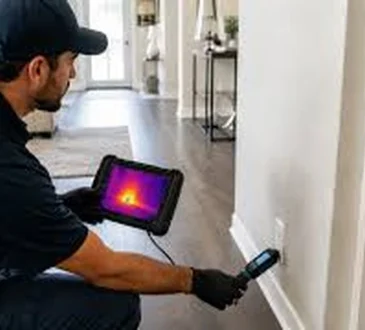
What stands out here is the floor has been cleaned but the air still feels heavy and soft finishes have not stabilized. It should be recorded before furniture, runners or stored items are put back, since those objects can hide the area that needs the clearest follow-up.
For a finished basement after a small plumbing leak was repaired, the most useful note is not a claim about what caused the problem. It is a short observation of what was touched, what was moved and what remains uncertain. That restraint is valuable because the next step may involve a supplier, insurer, electrician or restoration professional who needs facts rather than a confident guess.
Check access, containment and power routes for finished basement
It is tempting to solve the problem by assuming that opening a window is a complete humidity plan during a warm, damp spell. The room benefits more from a pause that separates what is visible from what needs to be checked.
The constraint is not merely physical space. Where the floor has been cleaned but the air still feels heavy and soft finishes have not stabilized, the plan should also account for ventilation, noise, drainage handling and the need to revisit the same area. Those factors can change whether a category is appropriate and where it can be used responsibly.
For this situation, look for a humidity-control need once extraction and safe access have been handled. That keeps the equipment choice tied to a measurable job instead of a vague desire to dry everything faster.
This is why look for a humidity-control need once extraction and safe access have been handled belongs ahead of a generic request for ‘dryers.’ The role of the equipment should be clear enough that a reader can explain what it is expected to change in the first hours and what it cannot be expected to prove. That distinction also keeps a supplier conversation focused on the room rather than on a shopping list.
The hard part of a finished basement after a small plumbing leak was repaired is often not selecting a machine; it is resisting an early conclusion. the floor has been cleaned but the air still feels heavy and soft finishes have not stabilized may matter more than the broad square footage, while assuming that opening a window is a complete humidity plan during a warm, damp spell can make a reasonable rental look ineffective.
That is why the job should be divided into material handling, room conditions and verification. For a finished basement after a small plumbing leak was repaired, the first two tell the reader what to do now; the third tests whether the original assumption held up once the room became easier to see.
For this article, the verification point remains whether the room’s moisture pattern changes after the space is closed and rechecked. It is specific enough to guide the next check without inventing a guaranteed outcome.
A buyer evaluating a finished basement after a small plumbing leak was repaired should be able to answer four plain questions before booking: what material is still affected, what access exists to it, what condition the rental is meant to change and what will be checked afterward. The answer to those questions matters more than a broad promise about drying speed.
That buyer standard also keeps the budget conversation honest. If the floor has been cleaned but the air still feels heavy and soft finishes have not stabilized is the main concern, the rental should be chosen and placed for that concern. If the concern changes after inspection, it is better to adjust the plan than to defend an early category choice.
Ask what restoration dehumidifier is expected to change for finished basement
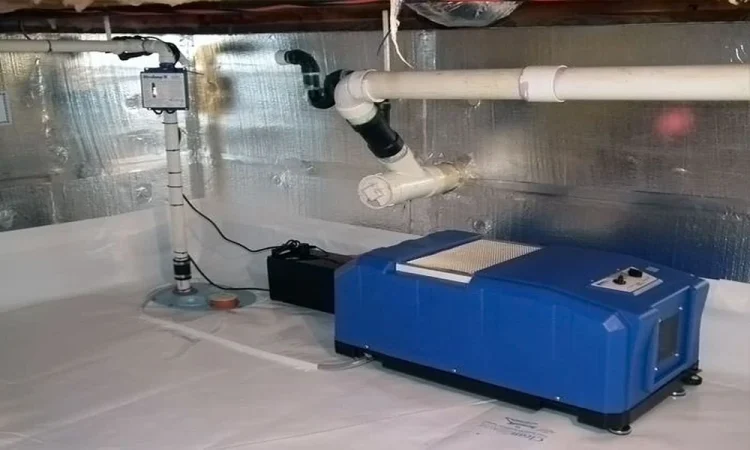
If the inspection points toward this role, a restoration dehumidifier rental resource for Markham provides a practical place to compare the category against the floor has been cleaned but the air still feels heavy and soft finishes have not stabilized and the access limits in the room.
A finished basement after a small plumbing leak was repaired may need more than one step without needing every available category. The point is to identify what comes first, what can wait and what does not belong in the plan at all.
For readers comparing the next stage, the rental listing for Markham drying equipment offers a distinct category to review. Its placement should remain different from the first rental choice in a finished basement after a small plumbing leak was repaired.
Build a follow-up check into the rental decision for finished basement
Keep the review specific: whether the room’s moisture pattern changes after the space is closed and rechecked. A clear checkpoint makes a rental decision accountable to the room rather than to optimism.
The closing check should focus on whether the room’s moisture pattern changes after the space is closed and rechecked. It is worth writing that condition down before equipment is moved, because it gives the household a defensible way to decide whether to continue, reposition, add another category or stop and seek a closer assessment.
The decision is less about owning a particular machine than about recognizing when moisture has become an air problem.