
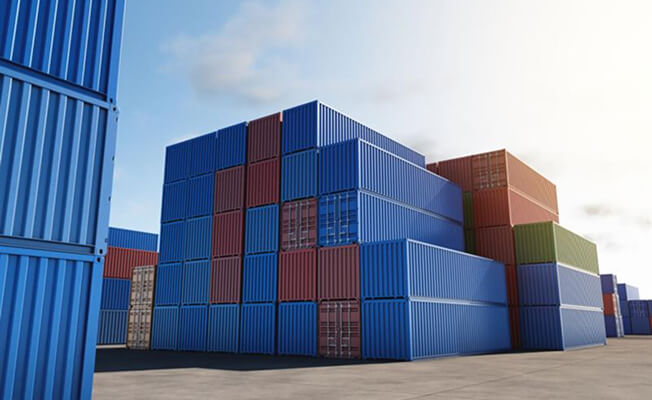
Unveiling the Versatility of Shipping Containers
The Evolution of Shipping Containers in Modern Logistics
Shipping containers, originally designed for transporting goods across oceans, have undergone a remarkable transformation in recent years. The standardization of container sizes in the mid-20th century revolutionized logistics by allowing more efficient loading, unloading, and storage. Today, these robust steel structures are far more than cargo vessels; they serve as a foundation of modern supply chains and durable shipping container solutions for a wide range of industries. As e-commerce and global trade continue to expand, shipping containers are constantly adapted to meet evolving demands, reflecting the fast-paced nature of global logistics. In addition, technological advancements such as GPS tracking, temperature regulation, and smart sensors have improved container performance, ensuring goods arrive safely and on schedule. This ongoing evolution highlights the untapped potential for businesses to repurpose shipping containers beyond their traditional roles, transforming them into practical and stylish spaces for diverse applications.
From Storage to Pop-Up Shops: Creative Uses You Never Considered
Shipping containers have expanded far beyond their once-limited association with freight transport. Their versatility encourages creative repurposing across numerous industries. For example, businesses have turned shipping containers into pop-up shops, offering a unique and engaging retail experience that appeals to consumers craving novelty. These mobile storefronts are often strategically placed in high-traffic areas to capture attention and are customizable to create immersive brand experiences. Beyond retail, they are increasingly popular as restaurants, snack bars, and food trucks, allowing entrepreneurs to minimize start-up costs while maximizing flexibility.
In urban landscapes, shipping containers have been transformed into modular housing solutions, providing affordable and sustainable living alternatives amid rising housing costs. Art installations and community centers have also found a home in these containers, where artists utilize the canvas of the corrugated walls to express creativity in public spaces. As a trendsetter in communities, the shipping container has fostered a sense of entrepreneurial spirit while addressing issues of urbanization and functionality. The paradigm shift towards adaptive reuse of these structures not only promotes sustainability but also positions shipping containers as a dramatic statement about modern ingenuity.
Choosing the Right Container: Size Matters!
Standard vs. High Cube: What’s the Best Fit for Your Needs?
When it comes to selecting a shipping container, one of the primary considerations is the size. Standard containers generally measure 20 or 40 feet in length, with a height of 8.5 feet, making them suitable for a wide array of uses. However, high cube containers, which stand 9.5 feet tall, provide an additional foot of vertical space. This can be significantly advantageous, especially for projects demanding extra height, such as storage of bulkier items or creating multi-functional spaces like offices or workshops.
Moreover, the decision between standard and high cube should be influenced by specific operational needs and available space. A delivery service, for instance, may prioritize standard containers for their ease of transportation and compatibility with most cargo handling equipment. Conversely, a retail business might find the high cube features essential in providing an immersive shopping experience with high ceilings for visual merchandising. Analyzing the intended use cases and space limitations is vital to determine which configuration serves your business best while maximizing efficiency and functionality.
Multiple Configurations for Unique Business Challenges
Beyond the choice of height, shipping containers offer myriad configurations that can address unique business challenges. From single containers serving standalone purposes to complex arrangements of multiple containers integrated into cohesive structures, the possibilities are vast. For instance, modular container setups can be creatively arranged for community hubs, combining multiple containers to design multi-use facilities that cater to varying needs be it offices, classes, or leisure spaces. This flexibility allows businesses to adapt quickly to changing demands.
In addition to stackability, flat-pack containers provide another layer of versatility. These containers can be disassembled and transported more efficiently than traditional containers, making them ideal for businesses requiring mobility and flexibility in locations. From construction sites to temporary event spaces, options abound, ensuring that container configurations can be tailored to fit any operational model. Important considerations include local zoning regulations and security features, both of which can heavily influence how a unit can be utilized.
Innovative Modifications to Elevate Your Container Game
Transformative Designs: Office Spaces, Cafés, and More
Taking the notion of repurposing to another level, many savvy business owners are undergoing innovative modifications to transform simple shipping containers into fully functional office spaces, cafés, and retail outlets. These redesigns frequently involve enhancing aesthetics and functionality, with services specializing in container conversions becoming increasingly popular. Interior modifications may include installing windows, doors, and insulation to ensure a comfortable, appealing environment for employees and customers alike. The flexible nature of containers means that they can accommodate everything from open-plan layouts to private offices, depending on the specific needs of the business.
Container cafés have also emerged as a trendy business model, where the inviting atmosphere coupled with a unique aesthetic draws customers. Features such as outdoor seating areas create a lively ambiance, inviting more patrons to engage with the business. By fitting advanced kitchen equipment and efficient energy solutions such as solar panels, these units may operate with a lower carbon footprint while providing premium services. This trend showcases how thoughtful design can harmonize marketing and practicality, transforming standard shipping containers into sought-after destinations.
Integrating Technology: Ensuring Security and Sustainability
In today’s tech-driven world, integrating technological solutions into shipping container modifications has become a priority for many businesses. With emerging trends in data analytics and IoT (Internet of Things), companies are empowered to monitor container conditions in real-time, allowing for advanced tracking and management of resources. This capability ensures efficient operation and minimizes theft or damage, especially in unsecured locations. Businesses can install security features such as surveillance systems or access control systems to safeguard their assets effectively.
Moreover, sustainability is at the forefront of modern business practices, and shipping containers can aid in this movement. By incorporating green technologies such as rainwater harvesting systems, green roofs, and energy-efficient insulation, operators can significantly reduce their ecological footprint. Sustainable modifications not only elevate the functionality of these containers but also enhance brand images, appealing to a more eco-conscious consumer base. The merge of sustainability and technology represents a significant opportunity for businesses looking to innovate through container reliance.
Investing in Quality: Long-Term Benefits of Durable Solutions
Cost-Benefit Analysis: Initial Investment vs. Longevity
Investing in shipping containers can initially seem daunting, with the cost varying greatly based on size, condition, and modifications. However, conducting a thorough cost-benefit analysis reveals the long-term savings these durable structures can offer. While traditional construction can entail hefty expenditures on materials, labor, and maintenance, containers present a more cost-effective solution with reduced overheads and higher durability. Their steel composition resists decay, pests, and harsh weather, offering years if not decades of service when properly maintained.
Furthermore, shipping containers can be repurposed multiple times throughout their lifespan. A business might initially use a container for storage and then transition it into a sales point or pop-up shop. This adaptability not only justifies the initial financial outlay but also provides each container with the potential to generate ongoing revenue streams across various phases of its use. Consequently, considering the total cost of ownership and versatility becomes essential in justifying your investment, ensuring that expenditure aligns with business sustainability goals.
Understanding Maintenance: How to Extend the Life of Your Containers
The longevity of shipping containers hinges significantly on regular maintenance practices. While their robust construction offers inherent durability, environmental factors such as corrosion, pests, and weather conditions can impact their lifespan. Routine inspections focusing on the container’s exterior, foundation, and seals are vital to detect and address any issues before they escalate. Additionally, choosing the right delivery location can mitigate damage caused by moisture, preventing rust and other long-term wear.
Moreover, applying protective coatings and corrosion-resistant paints can enhance the longevity and aesthetic appeal of shipping containers. Facilities may also incorporate ventilation systems to prevent moisture build-up, which can otherwise lead to mold and structural issues. Business owners have much to gain from implementing a comprehensive maintenance strategy encompassing inspection, regular upkeep, and timely repairs ultimately ensuring that their investment in shipping containers serves them well for years to come.