
Commercial Properties Face Unique Mold Risks Due to Constant Occupancy, Complex HVAC Systems, and Varied Moisture Sources
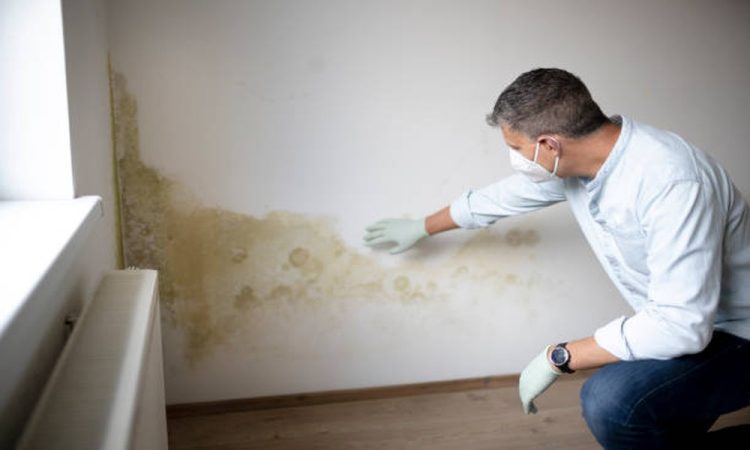
Mold develops when moisture, organic materials, and time combine, often in hidden areas such as ceilings, ductwork, and wall cavities. Preventing mold is not just about cleaning visible growth, but addressing the conditions that allow it to form in the first place.
Moisture Control as the Foundation of Prevention
Identifying and Eliminating Water Sources
One of the most effective strategies for mold prevention is controlling moisture at its source. Leaks in plumbing, roofing, windows, and exterior walls should be addressed promptly to help prevent long-term dampness. Even minor leaks can create favorable conditions for mold growth behind walls, under flooring, or above ceilings.
Managing Condensation and Humidity
Indoor humidity plays a major role in mold prevention. Commercial buildings should maintain balanced humidity levels through proper ventilation, insulation, and environmental controls. Condensation on windows, pipes, ducts, or cold surfaces should be corrected by improving airflow and reducing excess moisture buildup.
HVAC System Maintenance and Air Quality Control
Regular Inspection and Cleaning
Heating, ventilation, and air conditioning systems can either help control indoor environmental conditions or contribute to mold concerns if not properly maintained. Moisture accumulation within drip pans, filters, or ductwork may allow mold spores to spread throughout a property. Routine inspections and preventative maintenance are important components of a healthy indoor environment.
Ensuring Proper Airflow
Consistent airflow helps reduce stagnant air pockets where moisture can accumulate. Strategic ventilation throughout occupied and storage areas may help reduce excess humidity and support overall indoor air quality.
Routine Building Inspections and Preventive Maintenance
Scheduled Facility Checks
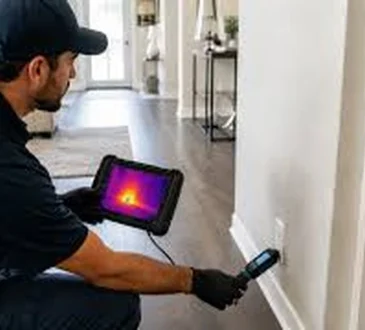
Regular inspections of roofs, mechanical rooms, restrooms, utility areas, and other high-risk locations can help identify signs of water intrusion early. Prompt identification and corrective action may significantly reduce the potential for mold growth.
Monitoring High-Risk Areas
Areas exposed to recurring moisture, such as kitchens, restrooms, utility rooms, and maintenance areas, should receive additional attention as part of a preventative maintenance program.
Building Materials and Structural Considerations
Using Moisture-Resistant Materials
Moisture-resistant building materials, sealants, and properly sealed penetrations may help reduce the likelihood of mold growth in vulnerable areas.
Improving Drainage Systems
Proper drainage around a commercial property plays an important role in reducing water intrusion risks. Maintaining gutters, downspouts, and grading can help direct water away from the building foundation and reduce structural moisture concerns.
Staff Awareness and Response Protocols
Early Detection and Reporting
Building occupants and maintenance personnel should be encouraged to report unusual odors, staining, visible moisture, or condensation concerns promptly so potential issues can be evaluated early.
Rapid Response to Moisture Concerns
Water intrusion or moisture concerns should be addressed promptly by the appropriate qualified professionals. Once the source of moisture has been corrected, professional mold remediation and post-remediation verification testing may be recommended depending on the conditions present.
Conclusion
Effective mold prevention in commercial buildings depends on proactive maintenance, moisture management, HVAC care, and routine inspections. By implementing preventative strategies and addressing moisture concerns early, property owners and facility managers can help reduce the risk of mold growth and maintain healthier indoor environments for occupants.
This post was written by a professional at THE HAZMAT TEAM. Trust your asbestos abatement contractor serving Orange County, California, including Anaheim mold remediation. THE HAZMAT TEAM ensures a safe removal process with confidence and expert care.