
Lighting plays a powerful role in shaping how a space feels, functions, and supports everyday life. While both warm and cool lighting have their place, warm lighting often creates a more inviting and comfortable environment for homes. From enhancing relaxation to improving visual appeal, the choice of lighting temperature can significantly influence mood and ambience. Whether you are designing a new space or upgrading your current setup, understanding why warm lighting works better in most residential settings can help you make smarter decisions.
Understanding Warm vs Cool Lighting
Before choosing between the two, it helps to understand the basic difference. Warm lighting typically falls in the lower colour temperature range, producing a soft yellow or golden glow. Cool lighting, on the other hand, emits a bluish-white tone that feels sharper and more clinical.
Warm lighting is often associated with comfort and calmness, making it ideal for living spaces. Cool lighting is more suitable for task-oriented areas where clarity and focus are required. However, for most parts of a home, warm lighting tends to create a more balanced and welcoming atmosphere.
Advantages of Warm Lighting Over Cool Lighting
Warm lighting offers more than just visual comfort, it enhances the overall mood and functionality of a space. Its softer tones create a balanced environment that feels both inviting and easy to live in. Below are the advantages of incorporating warm lighting over cool lighting.
Creates a Relaxing and Comfortable Ambience
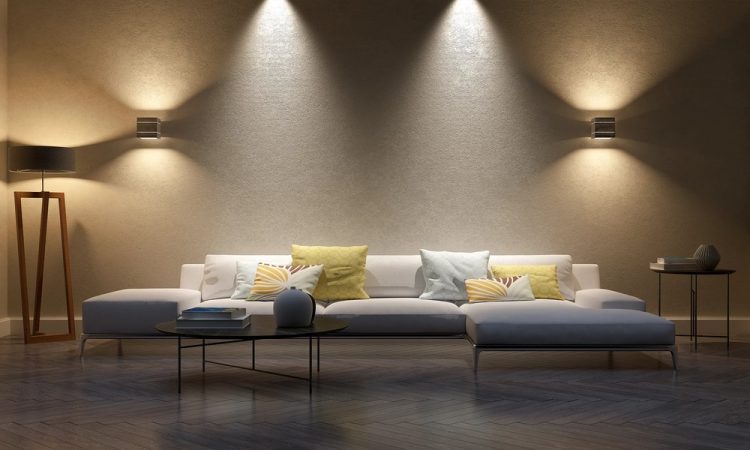
One of the biggest advantages of warm lighting is its ability to make a space feel instantly cosy. The soft glow mimics natural sunset tones, which naturally signal the body to relax. This makes it perfect for areas where unwinding is important.
Living rooms, bedrooms, and dining areas benefit greatly from warm tones. Pairing ceiling lights with warm illumination ensures even lighting while maintaining a soothing environment. Adding strip lights along shelves or ceilings can further enhance the layered lighting effect without making the space feel harsh.
Enhances the Aesthetic Appeal of Interiors
Warm lighting has a unique way of highlighting textures, colours, and finishes within a room. It brings out the richness of wooden furniture, soft furnishings, and warm-toned walls, making interiors look more inviting and visually appealing.
Decorative elements stand out better under warm lighting. Using decorative lights in strategic spots, such as corners or accent walls, can elevate the overall design of the space. Unlike cool lighting, which can sometimes wash out colours, warm lighting adds depth and character to interiors.
Supports Better Relaxation and Sleep Cycles
Lighting directly impacts the body’s natural rhythm. Exposure to bright, cool lighting in the evening can disrupt sleep patterns, as it mimics daylight and keeps the mind alert. Warm lighting, however, encourages relaxation by creating a calming environment.
Bedrooms benefit the most from this. Using warm ceiling lights along with subtle strip lights can create a layered effect that supports winding down at night. This approach not only improves comfort but also promotes healthier sleep habits over time.
Perfect for Layered Lighting Design
Modern homes rely on layered lighting to create functional and aesthetically pleasing spaces. Warm lighting works seamlessly across different layers, including ambient, task, and accent lighting.
For example, ceiling lights can provide overall illumination, while strip lights add subtle highlights to architectural features. Decorative lights can then be used to create focal points within the room. When all these elements use warm tones, the result is a cohesive and harmonious lighting design.
Reduces Harsh Glare and Eye Strain
Cool lighting can sometimes feel too intense, especially in spaces meant for relaxation. The brightness and bluish tone may cause glare, making it uncomfortable for extended use.
Warm lighting is softer on the eyes, reducing strain and creating a more pleasant viewing experience. This is particularly useful in areas where people spend long periods, such as living rooms or bedrooms. By combining warm ceiling lights with well-placed decorative lights, you can achieve adequate brightness without discomfort.
Ideal for Social and Family Spaces
Warm lighting naturally encourages a sense of connection and comfort, making it ideal for spaces where people gather. Whether it’s a family dinner, a casual get-together, or a quiet evening at home, warm lighting helps set the right mood.
Dining areas, for instance, feel more intimate with warm tones. Adding decorative lights above the table or subtle strip lights around the space can enhance the experience. The result is an environment that feels welcoming and relaxed, encouraging meaningful interactions.
Easy to Integrate Across Different Rooms
Another advantage of warm lighting is its versatility. It can be used consistently across multiple rooms without creating a mismatch in ambience. From bedrooms to hallways, warm lighting maintains a uniform and pleasant feel throughout the home.
Even functional areas can benefit from a balanced mix. While kitchens or workspaces may need some cool lighting for tasks, incorporating warm tones through strip lights or decorative lights ensures the space still feels connected to the rest of the home.
Creating a Warm and Inviting Home Environment
A well-lit home is not just about brightness, but about how the space makes you feel. Warm lighting brings together comfort, style, and functionality in a way that suits everyday living.
By combining ceiling lights for general illumination, strip lights for subtle accents, and decorative lights for visual interest, you can create a layered and inviting environment. This approach ensures that every corner of your home feels thoughtfully designed and comfortable.
Choosing Comfort and Atmosphere Over Harsh Brightness
Warm lighting offers more than just illumination; it creates an experience. It transforms spaces into comfortable, welcoming environments that support relaxation, enhance aesthetics, and improve overall well-being. While cool lighting has its place in specific tasks, warm lighting stands out as the better choice for most home settings.
By thoughtfully incorporating strip lights, decorative lights, and ceiling lights in warm tones, you can design a home that feels balanced, inviting, and truly livable.